Articles & Long-Form Reading

Each article is researched and written to provide genuine educational depth on its subject. They work best as companions to the quizzes, offering the context that short questions cannot carry.

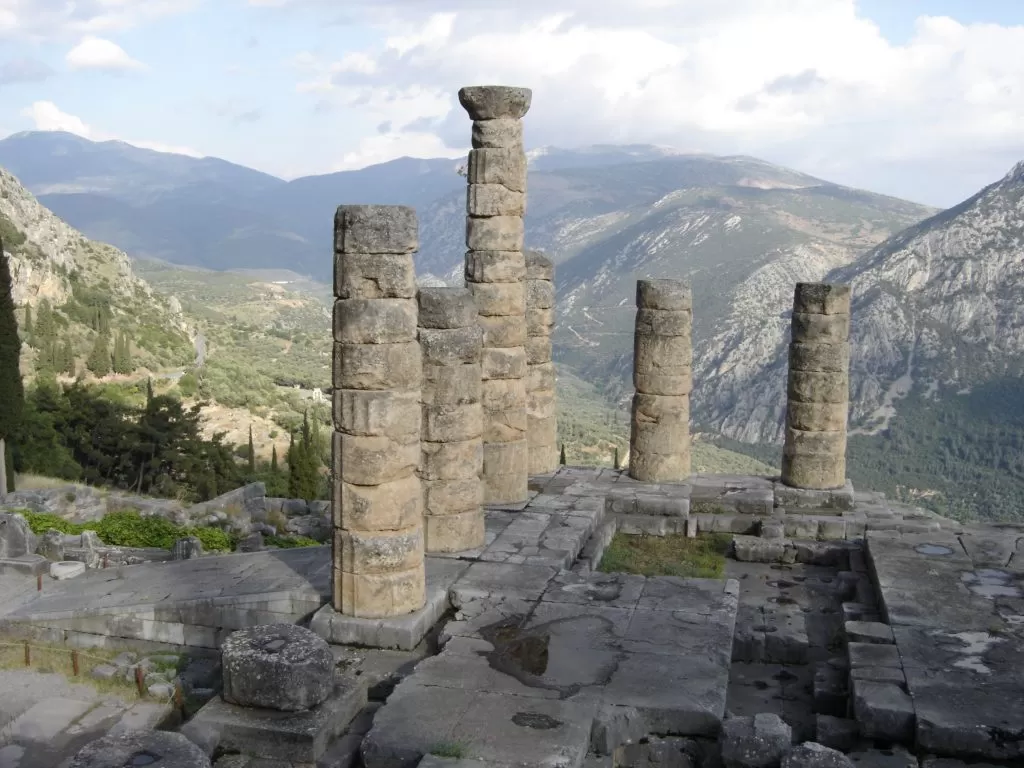
Greek temple at dusk

Why Greek Mythology Still Shapes Modern Culture

The gods of Olympus have been silent for nearly two millennia, yet their stories continue to appear in blockbuster films, corporate logos, psychological theory, and everyday language. This article examines why ancient Greek mythology retains such a powerful hold on the modern imagination.

Read Full Article
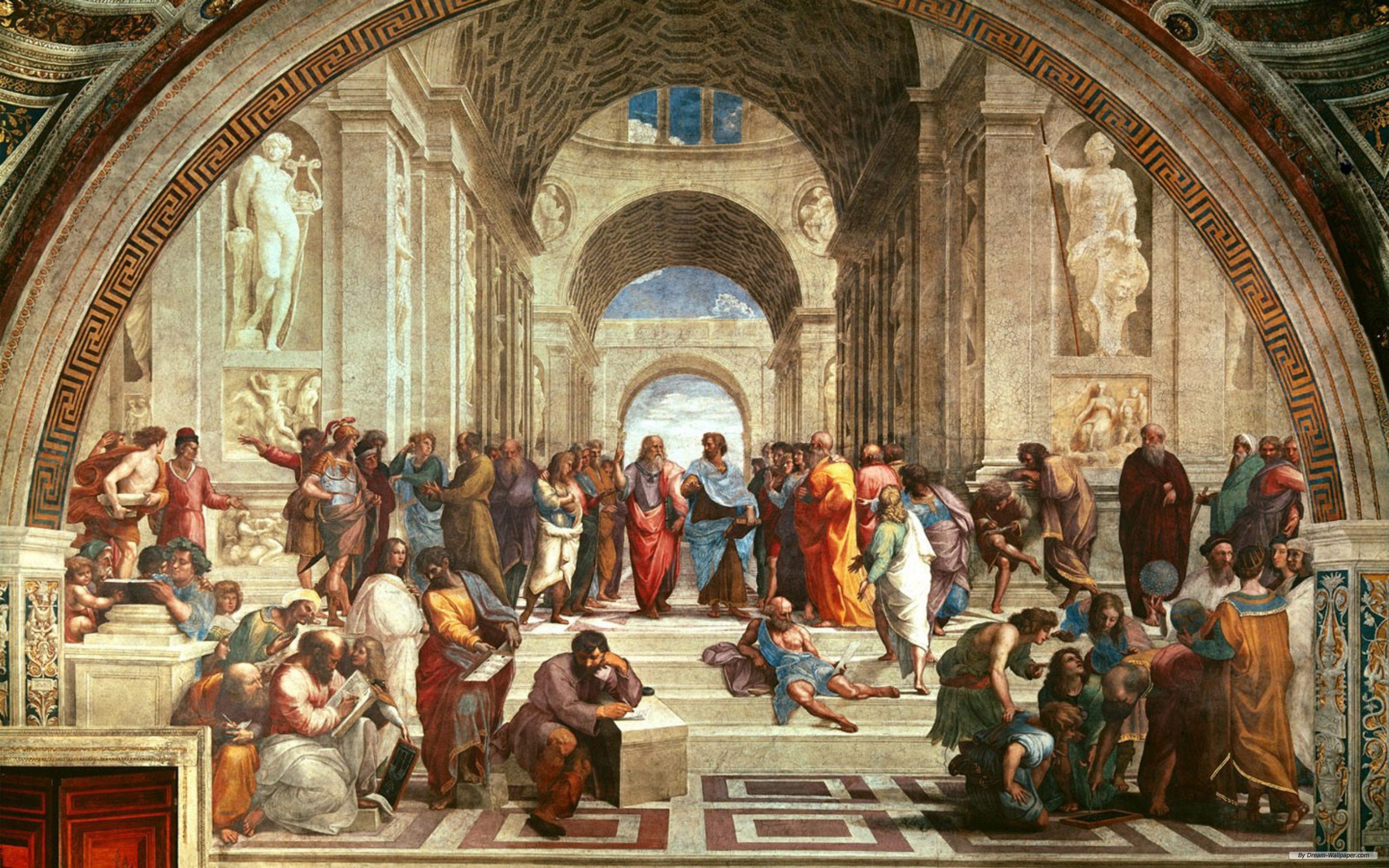
Ancient Athenian ruins

Understanding the Political Structure of Ancient Athens

Athens in the 5th century BCE was home to the world's first functioning democracy — but how did it actually work? Who could vote, who was excluded, and what made this system so different from anything that had come before? This article untangles the structures and contradictions of Athenian democratic governance.

Read Full Article
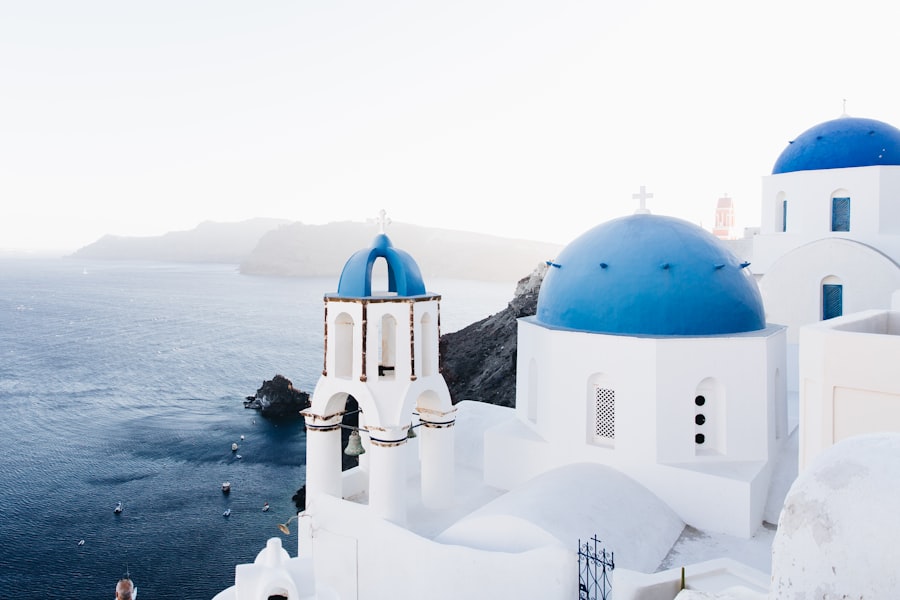
Greek island coastline

The Geography of Greece and Its Historical Impact

Greece is a land of dramatic contrasts — rugged mountains, isolated valleys, thousands of islands, and long coastlines. This fragmented geography shaped the development of independent city-states, encouraged seafaring, and influenced everything from trade to warfare.

Read Full Article

Why Greek Mythology Still Shapes Modern Culture

Greek ruins at dusk

The stories that ancient Greeks told about their gods, heroes, and monsters were not simply entertainment. They were frameworks for understanding the world — ways of explaining natural phenomena, moral dilemmas, and the fundamental uncertainties of human existence. That these frameworks still feel relevant today, more than two thousand years after the last temple sacrifice at Olympia, says something remarkable about the depth of the mythology they carried.

Consider, for a moment, how often Greek mythology surfaces in modern life. The word "narcissism" comes from the myth of Narcissus, a youth so captivated by his own reflection that he wasted away staring at it. The word "odyssey" now describes any long and eventful journey, drawing from the ten-year voyage of Odysseus. The science of music owes a conceptual debt to the Muses; medicine traces its symbolic heritage to Asclepius; the very idea of a "Herculean task" has become shorthand for any extraordinary effort. These are not academic borrowings — they are the everyday vocabulary of English speakers who may have no idea where the words came from.

The Myths as Psychological Templates

One of the most compelling arguments for mythology's enduring relevance comes from psychology. Carl Jung identified what he called "archetypes" — recurring figures and patterns in the human psyche — and found that many of them mapped onto mythological characters with striking precision. The Hero, the Trickster, the Great Mother, the Shadow: each has its classical Greek equivalent, from Heracles to Hermes, from Demeter to Hades.

Sigmund Freud, for all his differences with Jung, also turned to Greek mythology to name his most famous theoretical concepts. The Oedipus Complex — the idea that children harbor unconscious rivalry toward the same-sex parent — drew its name directly from the myth of Oedipus, the Theban king who unknowingly killed his father and married his mother. Whatever one thinks of Freud's theories today, the fact that he reached for Greek mythology to name them suggests how deeply these stories had embedded themselves in the Western cultural imagination by the early twentieth century.

"Myths are public dreams; dreams are private myths." — Joseph Campbell

Joseph Campbell's influential work on comparative mythology argued that Greek myths belong to a universal "monomyth" — a shared narrative structure that appears across cultures. The hero departs from the ordinary world, faces trials, and returns transformed. This pattern, visible in the labors of Heracles, the voyage of Odysseus, and the descent of Orpheus into the underworld, also underlies modern storytelling from Star Wars to The Lord of the Rings. Hollywood screenwriting manuals routinely reference Campbell's "hero's journey," which itself draws heavily on Greek sources.

Mythology in Contemporary Media

In the last two decades, Greek mythology has experienced something of a popular renaissance. The Percy Jackson series introduced millions of young readers to Olympus, Tartarus, and the twelve Olympians through a contemporary American lens. The video game Hades (2020) won multiple awards while retelling the myth of Sisyphus and the underworld through a compelling gameplay loop. The Trojan War has been retold through the novels of Madeline Miller, whose Circe and The Song of Achilles brought ancient characters to a new generation of readers with considerable literary and commercial success.

Ancient Greek architecture

These retellings are not passive acts of preservation. They interpret the myths, often bringing modern sensibilities — questions of gender, power, identity, and agency — into conversation with ancient stories. That these ancient stories can accommodate such reinterpretation without losing their coherence is itself a testimony to their narrative durability.

Architecture, Symbolism, and Language

The influence of Greek mythology extends beyond literature and psychology into the built environment and symbolic vocabulary of modern institutions. The columns and pediments of government buildings across the United States and Europe deliberately echo classical Greek architecture, lending an air of civic dignity and permanence. The caduceus — a staff entwined with two serpents and associated with the god Hermes — is used as a symbol of medicine, albeit through a historical misidentification. The more accurate medical symbol, the rod of Asclepius, features a single serpent and remains widely used in international healthcare contexts.

Corporate branding regularly draws on Greek mythology for its associations of power, speed, and wisdom. Nike, named for the goddess of victory, has built one of the most recognizable brands in the world on that association. Amazon takes its name from the mythological warrior women of the steppes, lending the company an association with strength and scale. Olympus cameras, Mercury cars, Atlas publishing — the list of corporations and institutions that have borrowed from the Greek pantheon is extensive and eclectic.

Why These Stories Endure

The persistence of Greek mythology in modern culture is not accidental. These stories survived because they address questions that do not have easy answers. What is the relationship between fate and free will? Can a person escape their destined end, and if not, does that make the struggle meaningless? What are the proper limits of human ambition? Icarus, who flew too close to the sun, answers the last question with tragic clarity — a warning that remains as legible today as it was in fifth-century Athens.

The myths also survive because they were integrated into Western education for centuries. Greek and Latin formed the basis of formal education in Europe and the Americas until well into the twentieth century. Students who read Homer in the original Greek carried those stories into their adult lives, their literature, and their cultural production. The influence became self-reinforcing: each generation of educated writers and artists encountered the myths and found them productive, and so the cycle continued.

What we are left with is a body of stories that is genuinely ancient — rooted in a Mediterranean civilization that existed more than two and a half thousand years ago — and yet feels, in many contexts, immediate and alive. The gods of Olympus are not worshipped today. But they are still very much with us.

Understanding the Political Structure of Ancient Athens

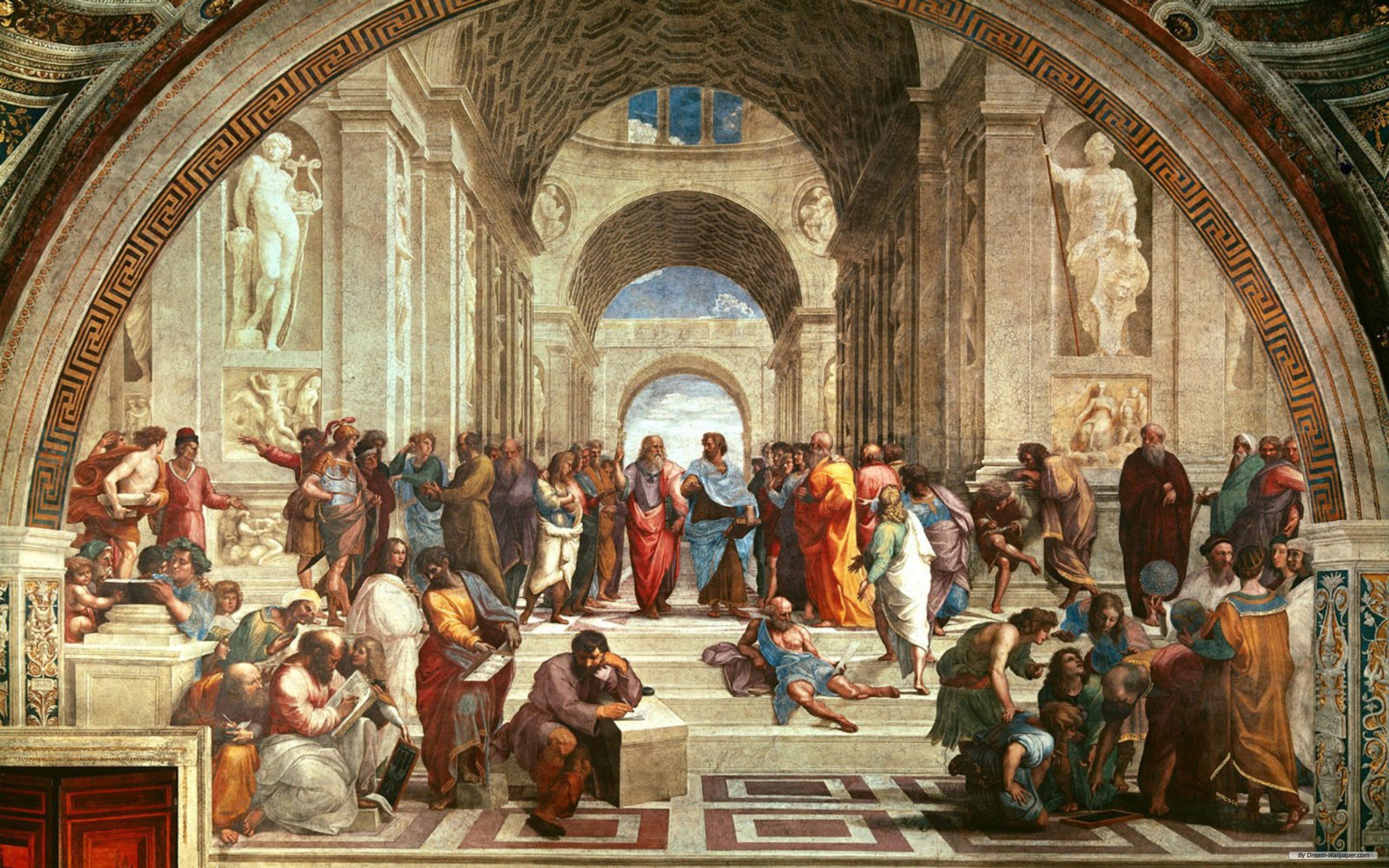
The Agora of Athens

When people speak of "democracy" today, they often invoke ancient Athens as its founding model. The comparison is useful but requires careful handling. Athenian democracy of the fifth and fourth centuries BCE was genuine in its commitment to citizen participation, but it operated within constraints that would be considered deeply unjust by modern standards. Understanding what Athenian democracy was — and was not — is essential for grasping both its historical significance and its complicated legacy.

The Origins of Athenian Democracy

Athens did not arrive at democracy in a single moment of enlightenment. The system emerged through a series of reforms over roughly a century, beginning with Solon's constitutional adjustments around 594 BCE and culminating in the reforms of Cleisthenes in 508–507 BCE. Solon had addressed a crisis of debt bondage, freeing Athenian citizens who had been enslaved for failing to repay loans, and reorganizing the political structure around four wealth-based classes. He expanded participation in the assembly, but power still resided largely with the wealthy.

It was Cleisthenes, regarded as the "father of Athenian democracy," who restructured Athenian civic life in a way that deliberately broke the power of aristocratic family networks. He reorganized the citizen body into ten new tribes, each drawing citizens from different geographic areas of Attica — the coastal regions, the city, and the inland plains. This mixing was designed to prevent old family loyalties from dominating political life and to foster a broader Athenian civic identity.

The Ekklesia: The Assembly of Citizens

The heart of Athenian democracy was the Ekklesia — the popular assembly. In principle, every adult male citizen could attend and speak. The assembly met on the Pnyx hill, a sloping site west of the Acropolis, approximately forty times per year. It debated and voted on matters of war, peace, foreign policy, legislation, and the election of military commanders. Any citizen could propose a motion, though skilled orators like Pericles, Demosthenes, and Alcibiades naturally wielded disproportionate influence.

"Our constitution favors the many instead of the few; this is why it is called a democracy." — Pericles, as reported by Thucydides

Attendance was voluntary, which meant that rural citizens often found it difficult to participate. The assembly could theoretically include tens of thousands of eligible citizens, but attendance in practice was typically between three and six thousand, with a quorum of six thousand required for certain decisions. From the late fifth century, a small daily payment was introduced to compensate citizens for attending, which helped broaden participation among the less wealthy.

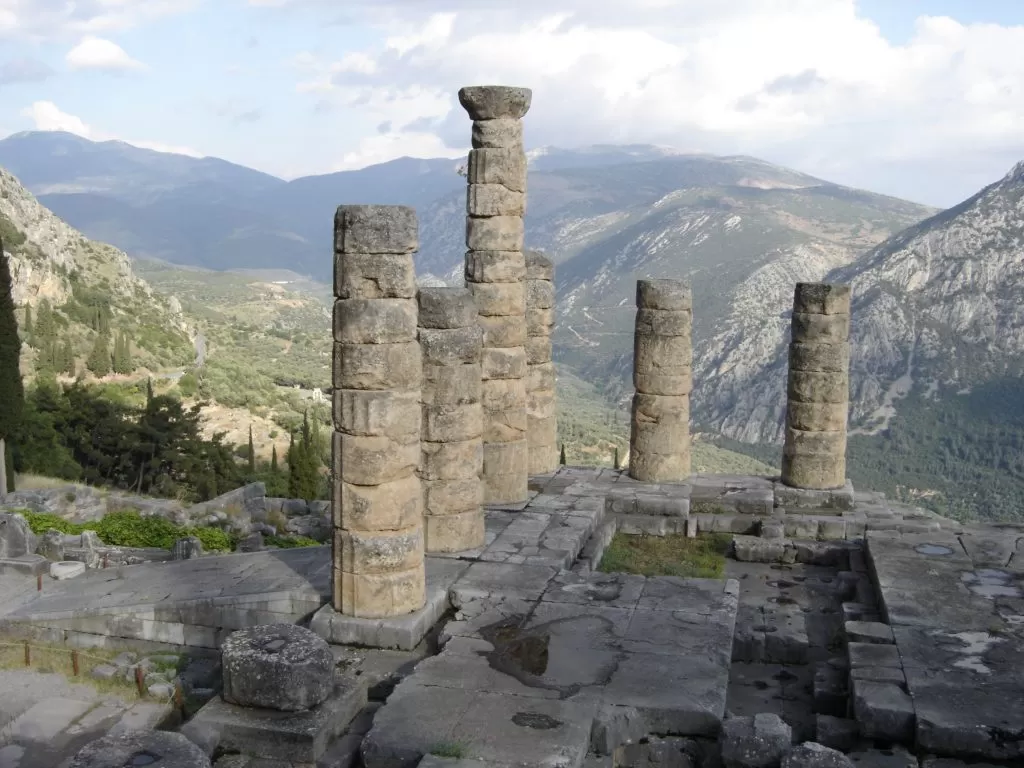
Ancient Greek ruins at Delphi

The Boule: The Council of 500

Because the assembly could not meet continuously to handle day-to-day governance, a standing council of five hundred citizens — the Boule — prepared its agenda and managed executive functions between sessions. Members of the Boule were chosen by lot from among citizens who put themselves forward, fifty from each of the ten Cleisthenic tribes. Service on the Boule was limited to two terms in a lifetime, preventing any individual from accumulating long-term institutional power.

The Boule was, in this sense, a genuinely novel institution. Selection by lot (sortition) was considered the democratic alternative to election, which the Athenians associated with oligarchy and the influence of wealth and reputation. If citizens were fundamentally equal, then any one of them could serve in most civic functions — and service was indeed rotated through the citizen body with considerable regularity.

The Limits of Athenian Democracy

The major limitation of Athenian democracy was the narrowness of who counted as a citizen. Women were excluded from political life entirely; they could not vote, attend the assembly, or hold office. Metics — resident foreigners, including many wealthy and educated individuals — paid taxes and served in the military but had no political rights. Most significantly, Athens was a slave society. At its height, Athens may have had as many slaves as free citizens, possibly more. The economic surplus that allowed free Athenian men the leisure to participate in democratic governance was generated in large part by enslaved workers in the silver mines at Laurion and in private households.

Estimates vary, but scholars generally suggest that "full citizens" — adult male Athenians born of two Athenian parents — constituted perhaps ten to fifteen percent of the total population of Attica. Democracy, in the Athenian formulation, was a system of self-governance for this specific group, made possible by the systematic exclusion and exploitation of everyone outside it.

The Legacy of Athenian Democracy

None of this diminishes the genuine significance of what Athens created. The idea that citizens should participate directly in the decisions that govern them — that political legitimacy derives from the consent and active involvement of the governed — was a revolutionary concept in the ancient world, and its influence on political theory from the Renaissance to the present has been immense.

Athenian democracy also produced remarkable cultural achievements. The extraordinary outpouring of philosophy, drama, architecture, and scientific inquiry that marks the fifth-century "golden age" of Athens was not coincidental; it was partly the product of an environment where open debate was valued and citizens were accustomed to engaging in public argument about matters of common concern.

Understanding Athenian democracy in its full complexity — its genuine innovations and its severe limitations — is more useful than either idealizing it uncritically or dismissing it because it fell short of modern standards. It was a historically specific experiment in self-governance that left a durable mark on the political imagination of the Western world, and it remains worth studying carefully on its own terms.

The Geography of Greece and Its Historical Impact

Santorini cliffs and sea

Geography does not determine history, but it shapes it in ways that are difficult to overstate. Nowhere is this more evident than in ancient Greece, where the physical landscape — mountainous, fragmented, surrounded by sea — played a decisive role in producing a civilization characterized by political disunity, maritime enterprise, and remarkable intellectual vitality. To understand why Greek history unfolded as it did, one must begin with the terrain.

Mountains and the Fragmented Landscape

Greece is one of the most mountainous countries in Europe. Roughly eighty percent of its territory is covered by hills and mountains, leaving relatively little arable land. The major mountain ranges — the Pindus in the northwest, Olympus in the north, Taygetus in the Peloponnese — create a landscape of isolated valleys and basins, each with its own microclimate and natural resources. This physical fragmentation had profound political consequences.

In antiquity, the mountains acted as natural barriers between communities. Movement between valleys was difficult and slow, particularly before the development of paved road networks under later Macedonian and Roman administration. This isolation encouraged the development of independent city-states (poleis), each with its own laws, institutions, coinage, and cultural identity. Athens, Sparta, Corinth, Thebes — these were not merely neighborhoods of a unified Greek nation. They were sovereign political entities that happened to share a language, religious traditions, and a sense of cultural kinship.

The competitive political environment that resulted from this fragmentation was, in many historians' assessment, a key driver of Greek intellectual and cultural achievement. City-states competed not only militarily but culturally — in the quality of their festivals, the prestige of their philosophers, the grandeur of their public buildings. Athens and Sparta, in particular, developed into rival models of civilization whose differences shaped Greek history for two centuries.

The Sea as Highway

If the mountains separated Greek communities, the sea connected them. Greece has a coastline of extraordinary length relative to its land area — over thirteen thousand kilometers when the islands are included. The Aegean Sea, dotted with hundreds of islands, served as a navigable highway for trade, migration, and cultural exchange. Unlike the great river-valley civilizations of the Near East (Mesopotamia, Egypt), which were organized around predictable, controllable water sources, Greek civilization was oriented toward the unpredictable but richly connected Mediterranean.

"We are a people of the sea, and the sea has shaped us." — Adapted from Thucydides

This maritime orientation had several important consequences. It made Greek cities naturally outward-looking and commercially minded. Trade brought contact with different cultures — the Phoenicians, Lydians, Egyptians, Persians — and the Greeks absorbed and transformed influences from all of them. The alphabet itself was borrowed from the Phoenicians and adapted to record the Greek language. Coinage, first developed in Lydia, was adopted by Greek city-states in the seventh century BCE and became fundamental to the commercial economy.
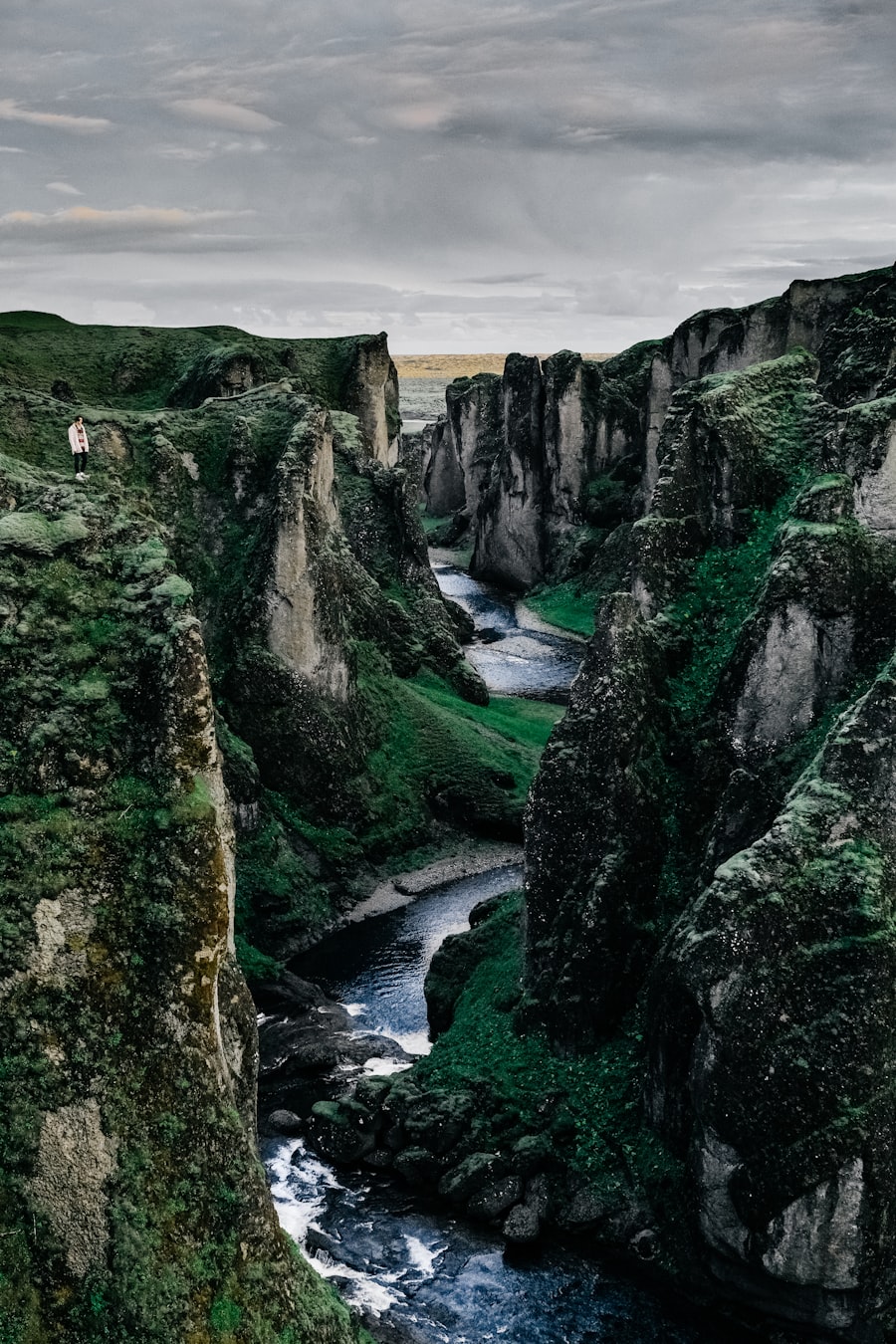
Greek island cove

Colonization and the Spread of Greek Civilization

Between roughly 750 and 500 BCE, Greek city-states established hundreds of colonies around the Mediterranean and Black Sea coasts. This expansion was driven by multiple factors: population pressure on limited agricultural land, the search for new trade routes and resources, and political strife that drove losers in factional conflicts to seek new homes abroad. The result was a Greek-speaking world that stretched from the coast of Spain to the shores of the Black Sea — a cultural network held together by shared language, religion, and commercial ties rather than political unity.

Syracuse in Sicily became one of the largest and most powerful Greek cities in the world. Massalia (modern Marseille) developed into an important trading post in southern Gaul. The Black Sea coast was lined with Greek colonies that exported grain to the city-states of the Aegean, which were chronically unable to feed their growing populations from their own limited agricultural land. This dependence on imported grain gave the control of sea routes strategic importance that would reappear repeatedly in Greek history.

The Islands

Greece has over six thousand islands and islets, of which approximately two hundred are inhabited. The largest is Crete, at the southern edge of the Aegean, which was home to the Minoan civilization — one of Europe's earliest complex societies — from roughly 2700 to 1450 BCE. The Minoans built remarkable palace complexes at Knossos, Phaistos, and Akrotiri, and their influence on the Mycenaean civilization that succeeded them can be traced in art, writing, and religious practice.

The Cyclades, the chain of islands in the central Aegean, were important cultural and commercial hubs throughout antiquity. Delos, a tiny island in the center of the chain, was considered sacred to Apollo and served as the religious and commercial center of the Aegean world. Mytilene on Lesbos produced the poet Sappho. Rhodes became a major naval and commercial power. Each island's history is, in its own way, a microcosm of the broader Greek story — small communities shaped by their relationship to the sea and to one another.

Modern Greece: A Geographical Legacy

The geographical features that shaped ancient Greek civilization remain visible today. Modern Greece is still a mountainous country with a long coastline and a dispersed island population. Athens, built on and around the Acropolis, occupies much the same geographic position it did in antiquity — a defensible promontory with access to the port of Piraeus and the Saronic Gulf. Thessaloniki, Greece's second city, developed around the natural harbor at the top of the Thermaic Gulf that had made northern Greece strategically important since Macedonian times.

The sea continues to play a central role in Greek economic and cultural life. Greece has one of the largest merchant fleets in the world, a fact that connects contemporary Greek shipowners to a tradition of maritime enterprise stretching back to the Bronze Age. Tourism, centered heavily on the islands and coastal sites, has become the country's most important industry, bringing millions of visitors each year to encounter firsthand the landscape that shaped one of history's most consequential civilizations.

Geography, in the Greek case, was not destiny. The Greeks made choices — about how to govern themselves, whom to trade with, what to believe — that were not determined by their landscape. But the physical environment shaped the range of choices available, the problems that needed solving, and the opportunities that could be pursued. Without the mountains that divided them, Greek city-states might never have developed their fierce independence. Without the sea that connected them, Greek culture might never have spread so widely or absorbed so much from neighboring civilizations. The terrain, in this sense, was not a passive backdrop but an active participant in one of history's most remarkable stories.